Balancing academic responsibilities and personal development requires a structured approach. College life involves lectures, assignments, examinations, and group work, all demanding focused attention. At the same time, personal growth includes acquiring new skills, cultivating hobbies, building social networks, and maintaining mental and physical well-being. Recognizing that both aspects are interconnected is the first step toward creating a sustainable routine.
Time Management Strategies
Effective time management allows students to allocate hours efficiently between study and personal growth. Start by mapping out a weekly schedule that includes class hours, self-study periods, and personal activities. Break tasks into smaller, manageable chunks to prevent procrastination. Some students also explore interactive entertainment platforms like Royal Vincit Casino to unwind while observing how structured rewards and strategic planning are applied, which can reinforce habits of patience, observation, and decision-making. Using planners or digital calendars alongside these reflections helps track deadlines and priorities, ensuring neither studies nor personal growth are neglected.
Prioritization and Goal Setting
Set clear short-term and long-term goals for both academic and personal pursuits. Identify the most critical assignments or exams and align personal activities around these priorities. For example, a student preparing for a major project can temporarily adjust extracurricular involvement without abandoning it entirely. Setting realistic milestones ensures consistent progress and prevents overload, keeping both academics and personal growth on track.
Integrating Learning and Development
Personal development does not always require separate time slots; it can complement academic learning. Students can engage in activities that enhance skills relevant to their studies, such as joining debate clubs to improve communication, participating in workshops for leadership training, or collaborating on research projects. By aligning personal growth efforts with educational objectives, the learning process becomes holistic and mutually reinforcing.
Building Supportive Networks
Strong social and professional networks provide both motivation and practical assistance. Interacting with peers, mentors, and faculty creates opportunities for feedback, collaborative learning, and exposure to new ideas. Participation in study groups, student organizations, and campus events fosters personal growth while indirectly improving academic performance. Strategic networking strengthens confidence and encourages proactive engagement with both studies and extracurricular pursuits.
Maintaining Mental and Physical Well-being
Balancing studies and personal growth is unsustainable without proper health management. Regular exercise, sufficient sleep, and a balanced diet support cognitive performance and emotional resilience. Mindfulness techniques such as meditation or journaling help maintain focus and reduce stress. Allocating consistent time for well-being ensures that academic and personal efforts are productive rather than draining, sustaining motivation over the long term.
Practical Daily Routine
Establishing a consistent daily routine provides structure. Allocate specific hours for studying, personal projects, and relaxation. Keep tasks flexible but maintain accountability through self-monitoring. A predictable routine reduces decision fatigue and enhances efficiency, enabling students to tackle demanding courses while engaging in personal development activities.
Tracking Progress and Adjusting
Continuous evaluation is essential for sustainable balance. Maintain a journal or digital log to track achievements in both academic and personal areas. Regularly assess whether current strategies meet goals, and adjust time allocation, task priorities, or methods accordingly. Incremental improvements, guided by reflection, prevent stagnation and ensure ongoing development in multiple areas simultaneously.
Conclusion
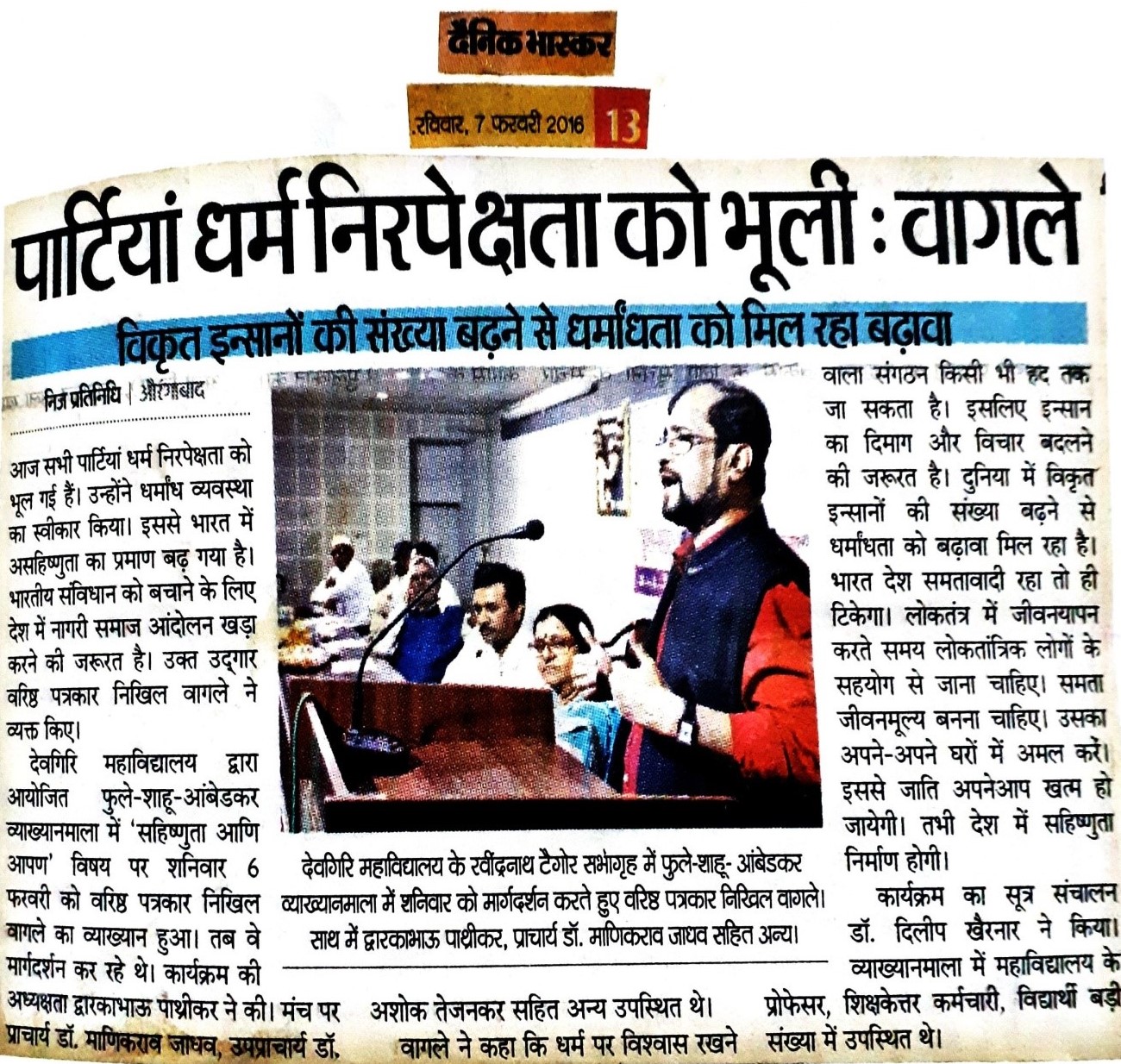
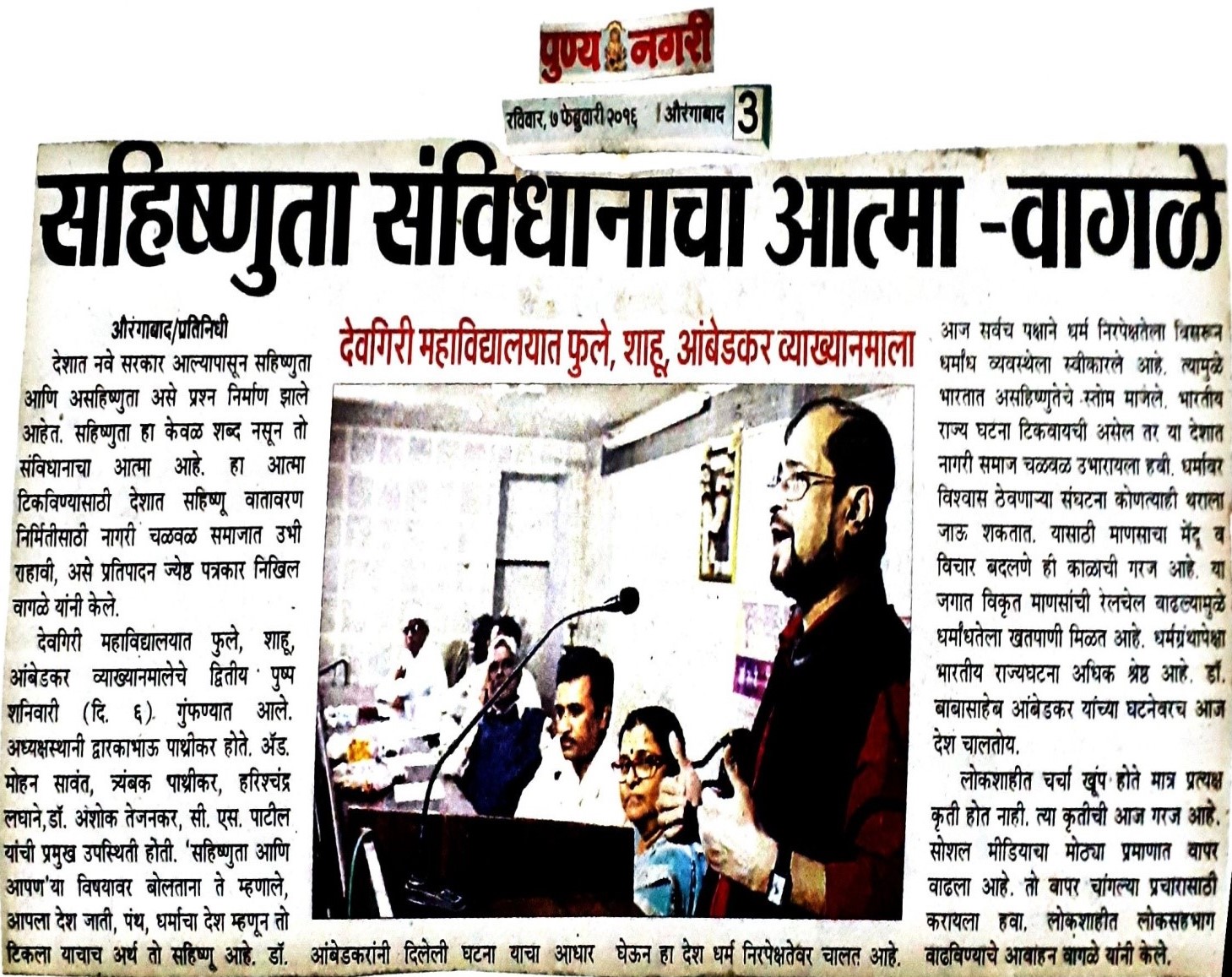
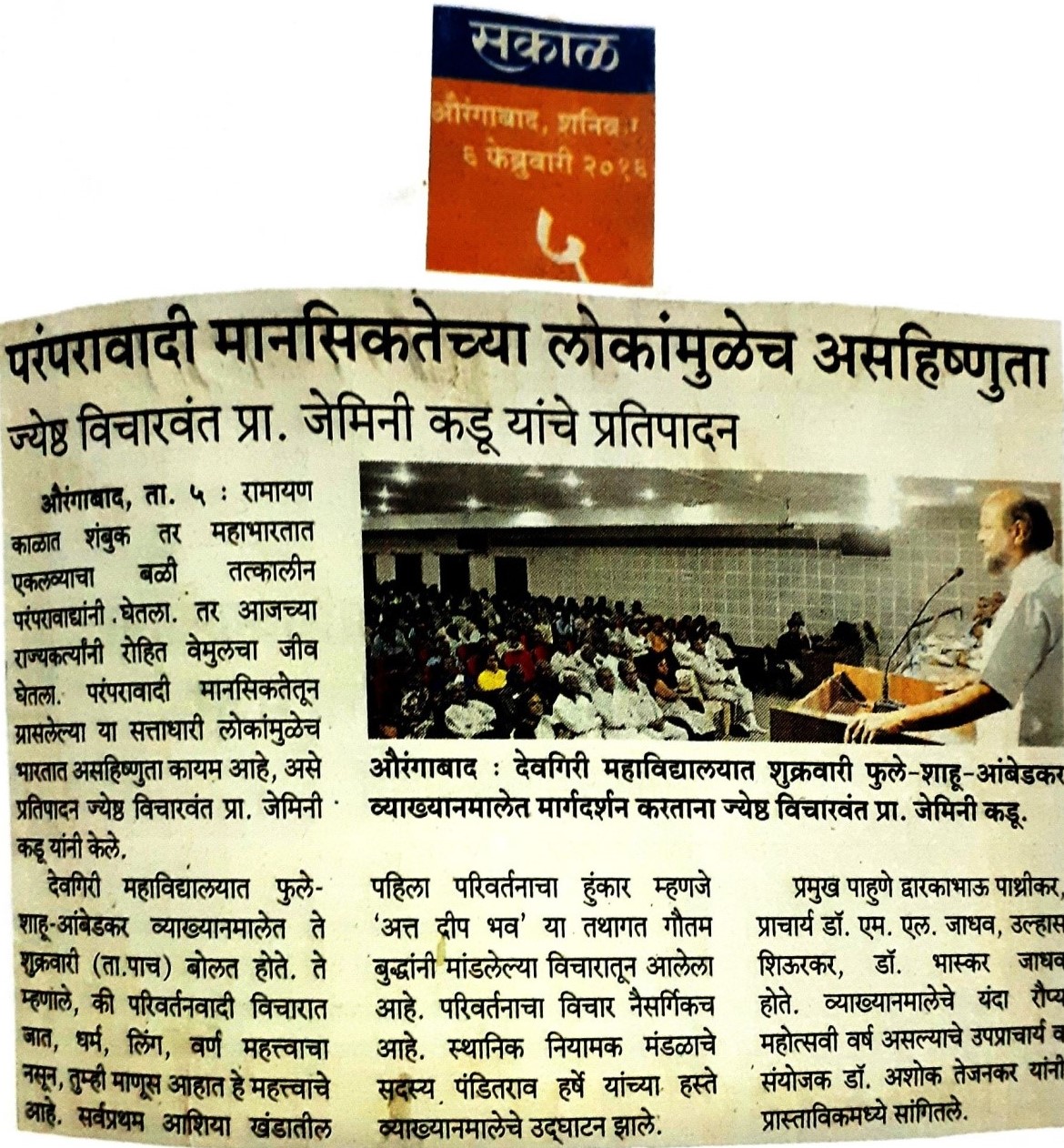
Balancing college study with personal development requires intentional planning, strategic prioritization, and disciplined routines. By integrating learning and self-improvement, maintaining supportive networks, and caring for physical and mental health, students can achieve consistent progress in both domains. Reflection and adjustment reinforce sustainable growth, transforming challenges into opportunities for holistic development. Following these principles enables students at Deogiri College and beyond to maximize their potential academically, socially, and personally.